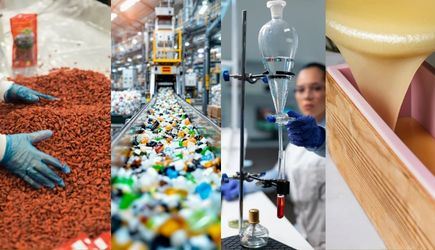
Modern manufacturing industries rely heavily on chemical intermediates that enable the production of durable materials, engineering plastics, and high-performance polymers. These materials are essential for applications in automotive components, consumer goods, textiles, and industrial equipment where strength, stability, and long-term performance are critical.
Adipic Acid is one of the most important industrial dicarboxylic acids used in large-scale chemical manufacturing. It serves as a key raw material in the production of nylon polymers, plasticizers, and polyurethane systems. Due to its ability to form strong and stable polymer structures, Adipic Acid plays a crucial role in the development of engineering plastics and synthetic fibers used across various industries.
How Adipic Acid is Used in Industrial Applications
1. Production of Nylon 6,6 for Engineering Plastics
2. Manufacturing of Polyurethane Systems
3. Production of Plasticizers for Polymer Applications
4. Intermediate for Specialty Chemical Manufacturing
Advantages of Adipic Acid in Industrial Manufacturing
Adipic Acid offers several functional benefits that make it a valuable chemical intermediate in industrial processes:
These properties make Adipic Acid a critical component in the production of many everyday materials and advanced industrial products.
Conclusion
Adipic Acid is a fundamental chemical intermediate widely used in the production of nylon polymers, plasticizers, polyurethane systems, and specialty chemicals. Its role in creating strong and durable materials makes it essential for industries such as automotive, textiles, plastics, and coatings. As demand for high-performance materials continues to grow, Adipic Acid remains a key building block supporting innovation and large-scale manufacturing in the global chemical industry.