The cleaning and disinfectants industry relies heavily on stable and effective chemical formulations. From household surface cleaners to industrial disinfectants, products are expected to perform consistently throughout their shelf life. One of the challenges faced by manufacturers is oxidation, a process that can weaken active ingredients by altering fragrance and reducing overall product efficiency over time.
Butylated Hydroxytoluene, commonly known as BHT, plays an important supporting role in solving this challenge. BHT is an antioxidant that helps protect cleaning formulations from degradation. While it does not clean or disinfect surfaces by itself, it ensures that the key ingredients in cleaning products remain effective, stable, and reliable from production to end use.
Key Applications of Butylated Hydroxytoluene in the Cleaning & Disinfectants Industry
Household Cleaning Products
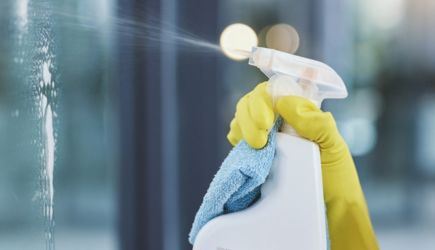
Household cleaners such as floor cleaners, multi surface sprays, kitchen cleaners, and bathroom disinfectants often contain a combination of surfactants and fragrance systems. These components can degrade over time if left unprotected.
Butylated Hydroxytoluene (BHT) is added to these formulations to protect sensitive ingredients from oxidation. This helps ensure that the product continues to clean effectively and smells the same throughout its shelf life.
Liquid and Powder Detergents
Laundry and dishwashing detergents contain active cleaning agents that break down grease, stains, and dirt. Exposure to air and moisture can cause these agents to lose effectiveness.
BHT helps preserve detergent formulations by preventing oxidative breakdown of key ingredients. This is especially important for liquid detergents stored for long durations or transported across different climates.
Disinfectant and Sanitizing Solutions
Disinfectant products depend on active antimicrobial agents to kill bacteria and viruses on surfaces. Although BHT does not act as a disinfectant itself, it supports the formulation by protecting these active ingredients from oxidative degradation.
By maintaining chemical stability, Butylated Hydroxytoluene helps disinfectants deliver consistent sanitizing performance, especially in products designed for hospitals, commercial spaces, and high hygiene environments.
Industrial and Institutional Cleaners
Industrial cleaning products such as heavy-duty degreasers, machinery cleaners, and industrial surface cleaners often contain strong solvents and complex chemical blends. These products are frequently stored in bulk and used under harsh conditions.
The durability of these formulations is enhanced by stabilizing solvent systems and reducing the risk of chemical breakdown. This allows manufacturers to offer products with a longer shelf life and dependable performance in demanding environments.
Fragrance Stabilization in Cleaning Products
Fragrance plays an important role in consumer perception of cleaning products. Oxidation can cause fragrances to fade or develop odors over time.
BHT protects fragrance compounds from oxidation, ensuring that the product maintains its intended scent profile throughout its life cycle. This contributes to better customer satisfaction and brand consistency.
Manufacturers in the cleaning and disinfectants industry choose butylated hydroxytoluene because it is effective at low concentrations, compatible with a wide range of formulations, and reliable under different storage conditions. Its ability to enhance product stability without interfering with cleaning performance makes it a valuable formulation additive.
Butylated Hydroxytoluene plays a quiet but essential role in the cleaning and disinfectants industry. By protecting formulations from oxidation, it helps cleaning products remain effective, stable, and visually appealing over time. From household cleaners and detergents to industrial disinfectants, BHT supports product reliability and shelf life. Its antioxidant properties make it an important ingredient for manufacturers focused on quality, consistency, and long-term performance.