Effective disinfection is crucial to water treatment systems for its ability to safeguard public health, maintain water quality for residential, commercial, and recreational purposes, and comply with regulations. In untreated or inadequately treated water, harmful microorganisms including bacteria, viruses, and algae can grow quickly, posing a risk to human health and causing problems for operations. Chlorine-based disinfectants continue to be one of the most reliable options available globally to stop this.
The water treatment industry makes extensive use of Trichloroisocyanuric Acid 90% (TCCA) because of its stability, high chlorine content, and controlled release characteristics. TCCA is appropriate for both large-scale water treatment facilities and smaller localized systems because it provides better handling, a longer shelf life, and consistent performance compared to liquid chlorine.
The Various Uses of Trichloroisocyanuric Acid 90% (TCCA) in the Water Treatment Sector
Municipal Drinking Water Treatment
In municipal water treatment plants, Trichloroisocyanuric Acid 90% is used to disinfect raw water before distribution. It helps eliminate disease causing microorganisms and ensures water meets safety standards for human consumption.
TCCA is especially useful in small to medium water treatment facilities where handling liquid chlorine may pose safety or logistical challenges. Its solid form simplifies storage and dosing while delivering reliable disinfection performance.
Swimming Pool and Recreational Water Treatment
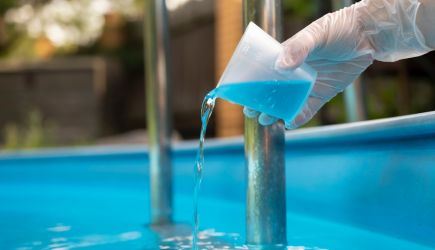
Swimming pools, spas, and recreational water facilities make substantial use of TCCA 90%. It inhibits the growth of germs and algae that can harm swimmers' health and the quality of the water.
By lowering variations in water chemistry, the constant discharge of chlorine contributes to the maintenance of constant sanitation levels. This makes the water clearer, requires less upkeep, and gives users a safer swimming environment.
Industrial Water Treatment Systems
Water is used in many sectors for equipment cleaning, processing, and cooling. Industrial water systems employ trichloroisocyanuric acid 90% to prevent microbial development in pipelines, heat exchangers, and cooling towers.
TCCA helps increase system efficiency, lower corrosion risks, and avoid unscheduled shutdowns brought on by fouling or microbial problems by minimizing biofilm formation and bacterial contamination.
Wastewater Treatment and Effluent Disinfection
Before treated water is discharged into the environment or utilized again for non-potable uses, TCCA 90% is sprayed during the last disinfection step in wastewater treatment facilities. It supports environmental safety and regulatory compliance by guaranteeing that dangerous germs are adequately eliminated.
Because of its precise quantity and controlled chlorine release, there is less chance of too much residual chlorine in the effluent that is released.
Emergency and Temporary Water Treatment Solutions
Trichloroisocyanuric Acid 90% is also utilized in emergency water treatment settings, including temporary camps, isolated construction sites, and disaster relief efforts. In situations where permanent infrastructure is not available, its lengthy shelf life and portability make it appropriate for quick water disinfection.
Water can be safely disinfected in little amounts under controlled circumstances.
Trichloroisocyanuric Acid 90% (TCCA) continues to play a vital role in the water treatment industry by offering efficient, reliable, and flexible disinfection solutions. It is appropriate for drinking water treatment, swimming pools, industrial water systems, wastewater treatment, and emergency applications due to its capacity to provide steady chlorine levels.
TCCA 90% provides clean water management while satisfying the operational requirements of contemporary water treatment systems because to its demonstrated efficacy and useful handling features.