One of the most crucial industrial chemicals utilized in many manufacturing sectors is sulfuric acid, which plays a particularly vital role in the metal treatment sector. Surface condition has a direct impact on long-term durability, corrosion resistance, coating performance, and product quality in metal processing. Coating failure, poor bonding, or structural flaws can result from even small surface imperfections such rust, oxide scale, oil residues, or pollutants.
Metal surfaces are frequently prepared, cleaned, and chemically treated with sulfuric acid prior to additional processing. Its potent acidic qualities enable it to react efficiently with undesirable deposits and metal oxides, guaranteeing that metals are suitably prepared for further processes including coating, plating, galvanizing, and finishing.
Key Applications of Sulfuric Acid in the Metal Treatment Sector
Steel Pickling and Oxide Removal
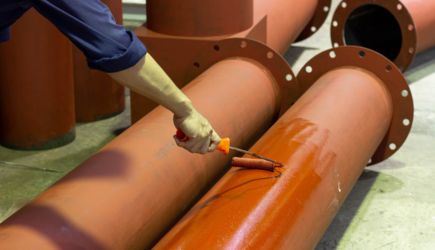
Pickling is a key application of sulfuric acid in the metal treatment industry. During hot rolling or heat treatment, steel forms a hard oxide layer known as mill scale that must be removed before further processing. Sulfuric acid reacts with and dissolves this scale, exposing a clean metal surface.
This process improves surface uniformity, coating adhesion, and welding efficiency. It is widely used in steel mills, wire rod production, pipe manufacturing, and structural steel processing to ensure effective downstream treatment.
Descaling and Surface Preparation
In metal production, sulfuric acid is frequently used for surface preparation and descaling. It leaves a clean surface that is prepared for additional processing by eliminating rust, oxidation, and surface deposits brought on by storage or heat exposure.
In carbon steel, low alloy steel, and some non-ferrous metals, proper descaling increases coating adherence, lowers the danger of corrosion, improves appearance, and helps preserve dimensional accuracy.
Aluminum Anodizing
Sulfuric acid is used as the electrolyte in the crucial metal treatment process of aluminum anodizing, which creates a controlled oxide layer on the aluminum surface. The metal is strengthened by this electrochemical procedure, which also gets it ready for additional polishing.
In addition to improving surface hardness, corrosion resistance, and wear resistance, the resultant anodized layer also increases dye absorption for colored finishes. These advantages have led to the widespread usage of anodized aluminum in electronics, automotive, aerospace, and architectural applications.
Surface Activation Before Galvanizing
Before galvanizing, metal surfaces must be thoroughly cleaned and chemically activated to ensure a strong zinc bond. During the pretreatment stage, sulfuric acid is commonly used to remove mild oxidation and prepare the surface for the galvanizing process.
This activation stage promotes better corrosion resistance, increased coating homogeneity, stronger metallurgical bonding, and fewer coating defects. In hot dip galvanizing plants, sulfuric acid is an essential part of the surface preparation process that helps create durable protective coatings.
Metal Etching and Controlled Surface Modification
In regulated etching procedures, sulfuric acid is used to alter metal surfaces for both functional and aesthetic reasons. Manufacturers can accomplish accurate material removal or surface textures without compromising the component's general structure by carefully controlling concentration and exposure time.
Surface roughening for better bonding, decorative pattern creation, printed circuit board manufacturing, and precise component marking are all applications for this procedure. In composite bonding and coating systems, controlled etching improves adherence, guaranteeing improved performance and longevity.
Sulfuric acid plays a central role in the metal treatment industry by supporting essential processes such as pickling, descaling, electroplating, anodizing, galvanizing preparation, and wastewater treatment. Its strong oxide removal capability and compatibility with industrial systems make it a key chemical in ensuring clean surfaces, durable coatings, and long lasting metal performance.
By enabling proper surface preparation and controlled chemical reactions, sulfuric acid contributes directly to the strength, corrosion resistance, and reliability of metal products used across construction, automotive, infrastructure, and engineering industries. Its continued importance reflects its value as a foundational chemical in modern metal processing.